

Staying Healthy
Best Practices in Well-being during Travel
How to Stay Healthy While You Travel
Sleeping well, being comfortable, and staying healthy while you travel is important. There are some ways to plan that improve the chances of feeling good throughout your trip.
Travel can be exciting, but it also comes with challenges that can wear down your body and mind. Long flights, changing time zones, new foods, and packed itineraries often mean our health gets pushed to the side. With a little planning and mindfulness, though, you can feel your best while still enjoying the adventure.
Here are some key ways to stay healthy while traveling:
1. Prioritize Rest and Sleep
-
Avoid back-to-back late nights and early mornings. If you’re out late enjoying the local nightlife, don’t schedule a sunrise tour the next day.
-
Plan recovery time after long flights. Give your body a buffer day to adjust rather than hitting the ground running.
-
Use sleep aids wisely. An eye mask, earplugs, or a white-noise app can make a huge difference in unfamiliar hotel rooms.
2. Manage Stress and Rushing
-
Build in extra time. Leave a cushion between flights, train rides, and transfers so you’re not sprinting through airports or stations.
-
Keep logistics simple. If possible, choose nonstop flights and avoid itineraries with tight layovers.
-
Practice calm travel habits. Even a few minutes of deep breathing while waiting in line can lower stress levels.
3. Stay Hydrated and Nourished
-
Bring a reusable water bottle. Refill it after security at airports and throughout the day.
-
Balance indulgences. Enjoy the local cuisine but pair rich meals with lighter ones.
-
Pack healthy snacks. Nuts, fruit, or protein bars help you avoid grabbing sugary or fried options on the go.
4. Keep Moving
-
Stretch on flights or trains. Walk the aisle every hour or so to keep your circulation flowing.
-
Incorporate walking into sightseeing. Explore neighborhoods on foot rather than always taking taxis or buses.
-
Do mini workouts. A 10-minute hotel-room yoga session can reset your energy and mood.
5. Protect Your Immune System
-
Wash and sanitize hands frequently. Public transport and tourist spots mean lots of contact with germs.
-
Boost with vitamins. Consider Vitamin C, D, or a probiotic if they’re part of your routine.
-
Get fresh air. Even in cities, spending time outdoors helps regulate your body and reduces stuffiness from planes and air-conditioned rooms.
6. Listen to Your Body
-
Adjust your pace. If you’re feeling drained, swap a packed day of sightseeing for a slower one with more downtime.
-
Don’t ignore warning signs. A small ache, dehydration, or fatigue can quickly worsen if you push too hard.
-
Allow flexibility. It’s okay if you don’t see everything—feeling well will make the experiences you do have more enjoyable.
Travel is meant to be enriching, not exhausting. By pacing yourself, taking care of your body, and building in breathing room, you’ll return home not just with memories, but with your health intact too.
Tips and Tricks

Water
Wherever you go, the water in the tap is going to be different than what you are used to. Make sure to research whether water from the tap is generally potable (safe to drink). The water might be filtered in your hotel(s) but not elsewhere. If there is any reason to think that it would be an issue, use bottled water at all times, including for brushing your teeth, and avoid ice. If the water is potable, it might taste different to you and, if you don't like it, go back to that bottled water.
Vaccinations
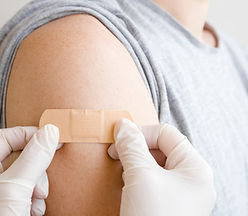
Getting sick on vacation is never fun and vaccines can help prevent that.
-
Country-specific requirements. Some destinations require proof of vaccines (such as Yellow Fever) for entry. Always check the rules for your destination well in advance.
-
Routine boosters. Even if you’re not going somewhere with strict vaccine requirements, it’s smart to make sure your tetanus and other standard vaccinations are current.
-
Seasonal shots. If you’re traveling in the winter, a flu shot can be an extra layer of protection against illnesses that could derail your trip.
-
Personal choice. Beyond requirements, vaccinations are a personal decision, but many travelers find peace of mind knowing they’ve reduced the risk of catching or spreading something.
(This is not medical advice. For detailed, up-to-date guidance, see the CDC Travelers’ Health website.)

Food Issues
Exploring local cuisine is one of the best parts of travel, but it can sometimes challenge your stomach. A few simple precautions can help you enjoy meals without worry:
-
Choose busy spots. Restaurants and street stalls with lots of customers usually mean fresher food and faster turnover.
-
Be mindful with produce. In regions where water safety is a concern, stick to cooked foods or peel fruits and vegetables yourself.
-
Go easy at first. Introduce rich or spicy dishes gradually so your body has time to adjust.
-
Pack just-in-case items. Antacids, probiotics, or oral rehydration salts can be lifesavers if your stomach feels off.
A little care goes a long way in keeping your adventures delicious—and comfortable.

Sleeping
Getting enough sleep and being well rested is important for your health and for your enjoyment. We recommend using the app Rain, Rain when you are trying to sleep or relax. We've used it on planes and in hotels and it helps...